Simi Valley highlight
Master-planned suburban character
Incorporated in 1969 with a planned development pattern, Simi Valley grew rapidly from an agricultural area into one of Southern California's first master-planned suburban communities.
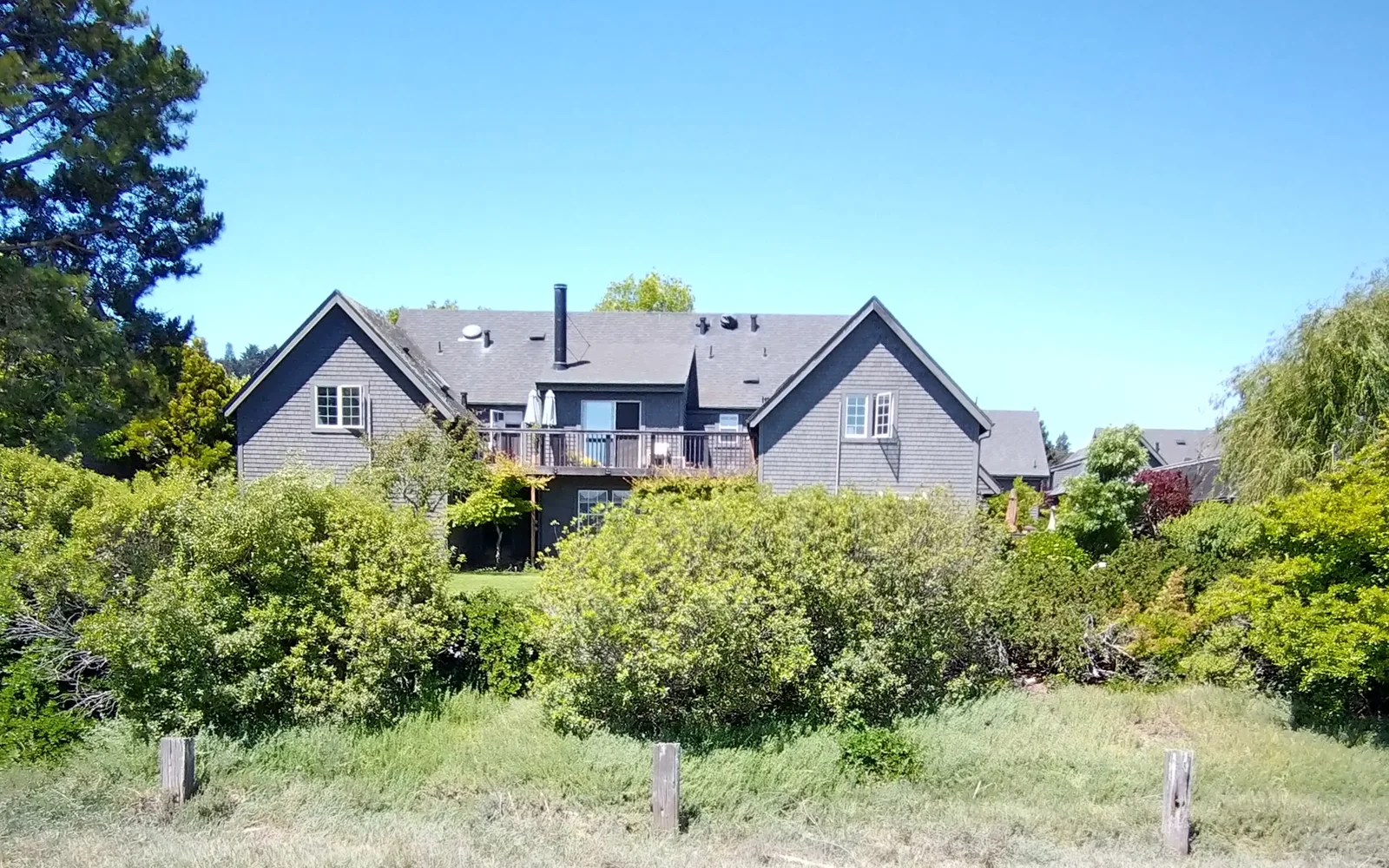
For most of its history, Simi Valley was an agricultural landscape of orchards and groves connected by rural roads. The construction of the Simi Valley Freeway (State Route 118) in the early 1960s changed everything, connecting the valley to Los Angeles and making it a destination for families seeking newer homes and quieter neighborhoods within reach of city jobs. The city incorporated on October 10, 1969, with about 10,000 residents; in the following decade, population nearly quintupled as developers built thousands of single-family homes in planned subdivisions.
Simi Valley developed according to a master plan emphasizing residential neighborhoods, curvilinear streets designed for family living, neighborhood parks and schools integrated into each development phase, and retail centers built to serve the surrounding homes. Subdivisions like those in the Bridle Path area and Valley Glen brought families into move-in-ready communities with established school systems and community services already in place. Today the city covers 42.25 square miles with a stable suburban character shaped by that original planning: single-family homes, low density, parks and greenbelts, and a development pattern that reflects the 1960s and 1970s vision of the California suburb.
A master-planned community is built on the premise that predictability matters—predictable schools, predictable traffic, predictable neighborhoods where you can see your family's future unfolding. That kind of planning extends to insurance too. When you choose a 20, 25 or 30-year term policy, you are making the same bet: that the structure you build—home, income, family—will hold together the way you intend.